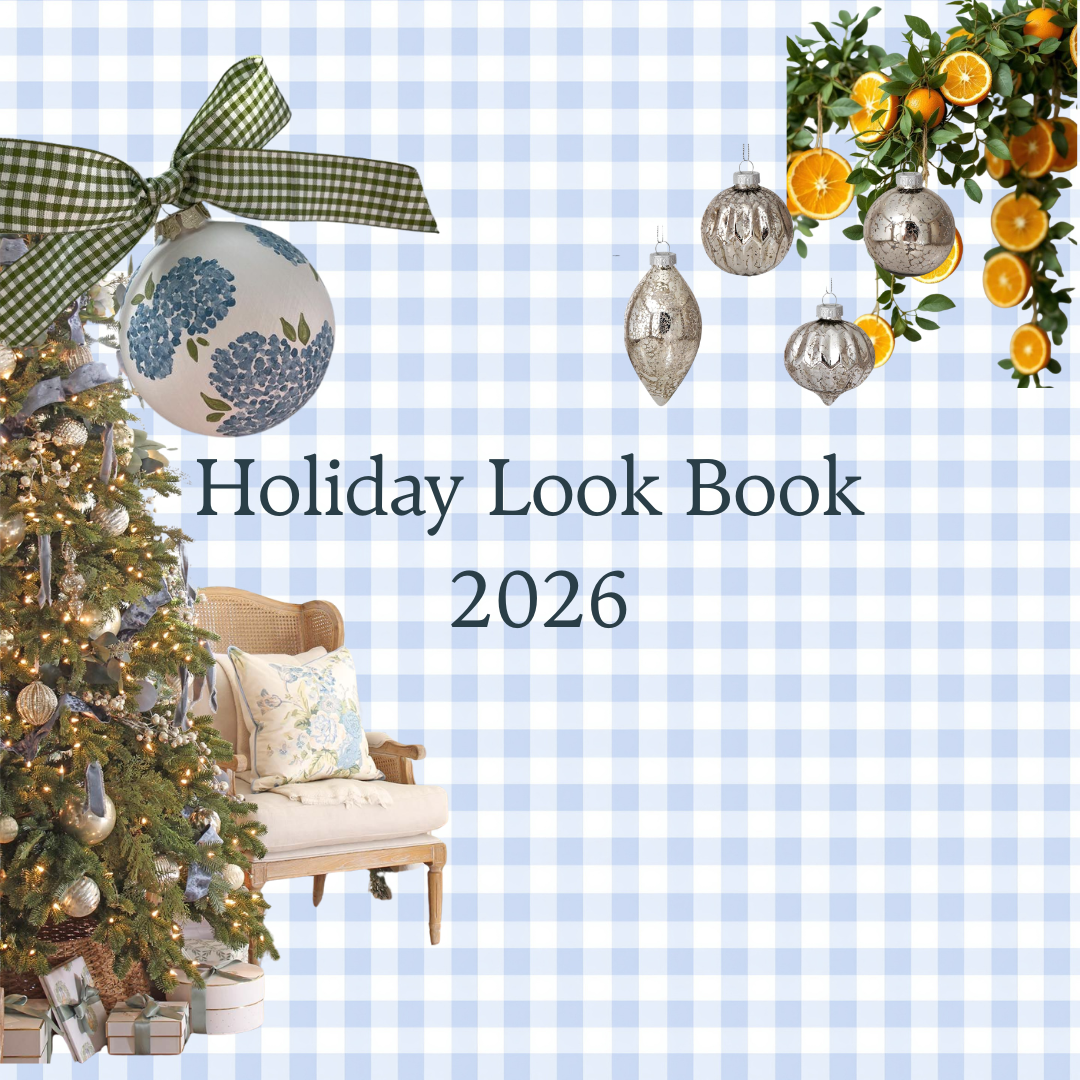
Holiday Look Book 2026
A Season of Style: Holiday Tablescape Trends to Inspire Your Celebrations
The holiday season is a time for gathering, celebrating, and creating moments that feel a little more magical. And when it comes to setting the table, this year is all about expressing your personal style, embracing meaningful details, and creating a setting that feels as special as the people gathered around it.
For this year's Holiday Look Book, I've explored four distinct holiday aesthetics, each with its own personality, palette, and point of view. From relaxed coastal charm to old-world opulence, nostalgic whimsy to moody Victorian elegance, there's a little inspiration for every kind of holiday celebration.
Coastal Granddaughter
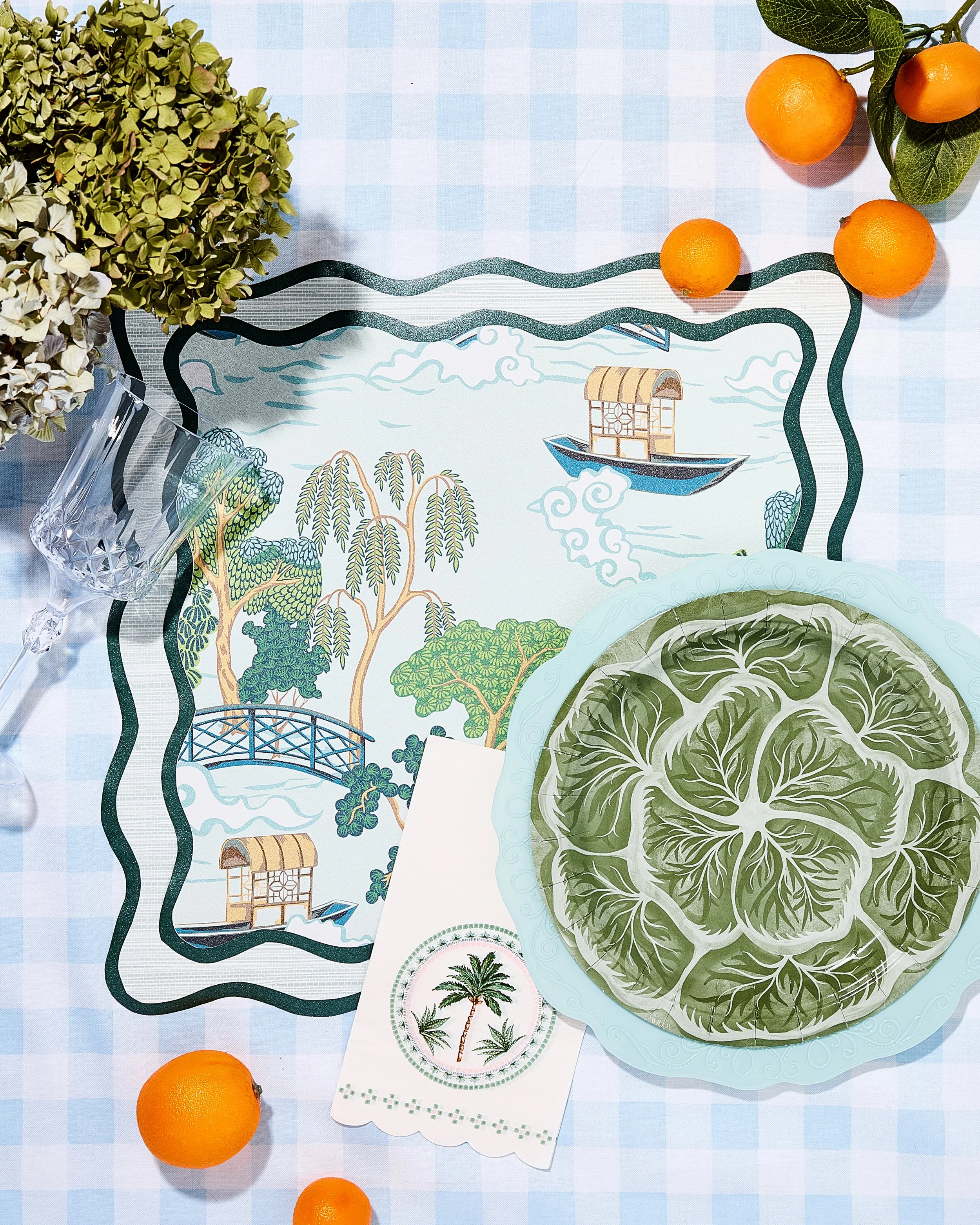
A fresh take on the beloved coastal grandmother aesthetic, Coastal Granddaughter brings a relaxed yet refined sensibility to holiday entertaining. Think soft blues and greens, natural textures, and organic details, with touches of rattan, dried oranges, and the subtle sparkle of mercury glass. The result is effortlessly elegant, with just the right amount of seasonal charm.
Gilded Grandeur
For those who believe the holidays are a time to embrace a little extravagance, Gilded Grandeur celebrates layered luxury and unapologetic opulence. Rich jewel tones meet gleaming gold accents and old-world elegance, creating a look that feels dramatic, collected, and beautifully over the top. It's a festive nod to the art of making an occasion feel truly extraordinary.
Cottagecore Christmas
Nostalgia meets whimsy in this playful interpretation of holiday style. Cottagecore Christmas pairs cheerful shades of pink, red, and light green with vintage Santas, bottlebrush trees, and beloved jadeite. Gingham, bows, and an abundance of mixed patterns bring a sense of storybook charm to the table, reminding us that holiday decorating can be just as joyful as it is beautiful.
Victorian Noel
Dark academia takes on a festive spirit in Victorian Noel, where traditional holiday colors become deeper, moodier, and more richly layered. Tartan, fruit-forward details, and the warm glow of candelabras set the scene, while books and collected accents lend an old-world sensibility. The overall effect is intimate, romantic, and wonderfully evocative of Christmases past.
Each of these looks offers a different way to tell your holiday story, whether you're drawn to understated coastal beauty, lavish golden details, playful vintage charm, or the timeless romance of a candlelit Christmas table.
I've brought these inspirations to life in this year's Holiday Look Book, with thoughtfully curated details and tablescape ideas to spark your imagination for the season ahead.
Explore the Holiday Look Book and discover your own style of holiday magic.
Mix it Up: The Art of Fearless Pattern Play
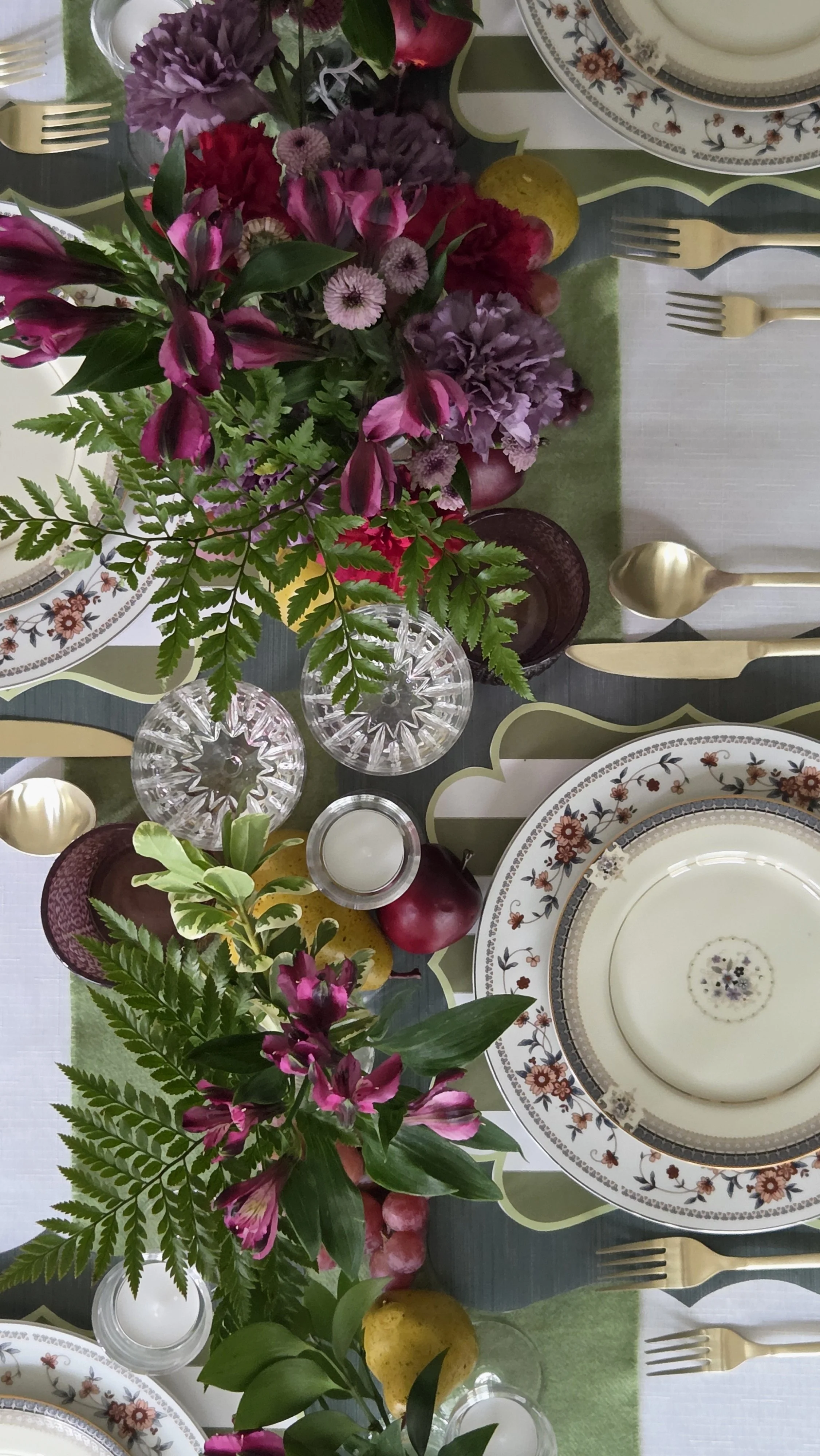
Something exciting is happening in the world of tablescapes, and it is impacting everything from intimate dinner parties to larger celebrations and events. People are moving away from Pinterest Perfection, opting instead to create something that is unique and personal. People are embracing looks that feel collected, whimsical, and a little bit unexpected. And all of this has opened the door for my favorite way to approach a table - pattern mixing!
Pattern mixing isn’t new. It’s been a part of various home decor aesthetics forever. But what we are starting to see is people approaching pattern mixing in a bolder, more carefree way. If you want to try your hand at it but aren’t sure where to start, here’s a few tips to help you along the way.
The goal isn’t to try and make everything match. The goal is to make it look like it belongs together. One of the easiest ways to do this is through color. Create a color story and let that be your anchor. Even if you have completely different patterns, if they pull from the same palette, they will feel surprisingly cohesive.
Another thing to keep in mind is to vary the scale of different prints so that they are not competing with one another. Perhaps a delicate small floral paired with a bold stripe or larger check. To keep the mix of patterns from feeling too busy, give the eye somewhere to rest by incorporating solid elements. A solid charger, a solid placemat layer, a solid color napkin…makes a stronger statement amongst the patterns.
If you aren’t sure where to start, pick one pattern that you really love, maybe a patterned tablecloth or a beautiful plate and build from there. Pull one or two colors from that first pattern and let that guide the rest of the table.
At the end of the day, there are no real rules for mixing patterns - these are simply tips to help get you started. Don’t overthink it. Have fun, trust your eye, and let your tablescape reflect your personality.

Fall has Entered the Chat
My Fall Look Book is now available in my gallery (scroll down for virtual designs)!
While it’s not officially fall, social media tells me that it’s almost Christmas. So I figured I would squeeze in a little bit of autumn tablescape inspiration before the internet is taken over by all things merry and bright.
A lot of people ask me where I get inspiration from. Obviously, the easiest place to look is online at popular stores to see what they carry. For what it’s worth, Williams Sonoma is my favorite because they carry both tried and true tableware, as well as collections that reflect current trends. But I also look to home design and decor trends, because good tablescape design should blend seamlessly in with the rest of your home (unless you are doing a very specific theme for a party).
Color palettes tend to dominate decor trends, and we have finally moved away from light, neutral, minimalism. Deep saturated palettes, vintage patterns with modern gold touches, nature-inspired botanicals, and layered textures are the dominant trends right now, and you can expect to see those carry right into the holiday season.
For the Fall Look Book I opted to create one thoughtfully layered placemat versatile enough to anchor a variety of design aesthetics. A vintage, textured botanical print paired with a bold cabana stripe is the perfect mix of vintage and modern, while the moody blues and greens are both rich but still neutral as a backdrop for other colors.
Gold accents are big right now. Think gold-rimmed plates, brushed gold flatware, and embellishments like napkin rings or candle holders. it can instantly make a table feel more luxurious.
While my fall looks are more on the side of traditional luxury, classic white dishes would look equally at home on these placemats! And as always, each look has a companion Look for Less featuring single-use tableware for easy entertaining.

It’s Tailgate Time
Labor Day Weekend for many, means cookouts and barbecues, soaking up last bits of summer weather before the first chill of fall arrives, and a day off to relax with family and friends. But in our house? It’s the start of college football. That glorious day when the sports drought ends for my husband.
And with college football comes that beloved tradition of the Tailgate.
Whether you are tailgating under a tent near the stadium or throwing a tailgate party at your house, the key is to keep things easy for your fellow tailgaters to clean up after themselves. Disposable tableware has never been more sophisticated and fun, making it a breeze to create a custom look for your tailgate party.
I personally love the idea of charcuterie cups for an easy grab-n-go for guests, and there are loads of cute cups out there. There’s lots of collegiate branded party goods out there, but my favorite has to be Pavilion Paper’s collegiate collection. Inspired by the ever-popular Ginori plates, these whimsical plates feature college mascots and school colors in the chicest way possible. Etsy has some great sellers for cute cups as well. If you are hosting at home, consider boosting that school spirit with color appropriate florals.
You can check out my Instagram for more ideas, and head over to my ShopMy page for specific links (just search for wheelerhaus)
TGIF and Happy Tailgaiting!

For every Season
To everything there is a season. I have been seeing fall content on social media for about a month now, and I have to admit, not so long ago, I would have jumped right on that train. After losing both of my parents before I turned fifty, I found myself overwhelmed with the task of “stuff”. If you’ve been there, you know. During that time, I came across a book titled “The Gentle Art of Swedish Death Cleaning”, and it completely reframed the way I look at stuff.
In the book, the author discusses how no other country outside of the United States does seasonal and holiday decorating. Think porch signs, faux pumpkins in every texture and color, and all the decor you could need for your next social media post. But none of it is real. It is stored away and brought out at will whenever you feel like it. Only in America.
In most corners of the world, homeowners may have a few cherished vases or vessels, and their “decor” is simply whatever grows seasonally where they live. They embrace the seasons and whatever comes with it and that’s how they decorate. They simply live in each season for the duration. No bins of fall decor, or boxes full of ceramic bunnies and easter eggs. There’s nothing wrong with those things if decorating with them makes your house feel like home. But for me, I got rid of all my seasonal decor (except Christmas, but even that has been drastically reduced)
I’ll get around to Fall tablescapes soon. but right now we are still in a heat wave. It’s still summer. I’ll simply embrace what’s available now. Farmer’s Market hauls and late summer blooms.

The Perfect Layer
When people think about a beautifully designed table, they often notice the flowers, the candles, or the dinnerware first. But what truly makes a tablescape feel intentional is the layering. Layering creates warmth, depth, and personality. It transforms a table from functional to unforgettable.
The best place to start? A custom single-use placemat. Unlike a traditional charger or fabric placemat, a custom layered disposable placemat becomes part of the overall design. It anchors each place setting, introduces color and pattern, and creates a foundation that instantly makes the table feel complete. Whether the style is elegant, whimsical, modern, or seasonal, the placemat ties every detail together before a single plate is placed on the table.
Why this layer elevates your tablescape
A custom placemat adds dimension that draws the eye and makes each place setting feel thoughtfully curated rather than simply assembled. One custom design repeated around the table instantly connects every place setting, making the entire event feel coordinated and professionally styled. For this particular event, the linens and the tableware were all white. They wanted to introduce the bride’s palette of French Blue and sage green to tie in with the flowers. We started with a base layer of blue grass cloth wallpaper and then layered a block print design on top. The result? A cohesive design that created an overall narrative for the event.
Affordable Luxury
A custom placemat can reflect the event's theme, season, venue, or even the guest of honor. Colors, graphics, monograms, illustrations, or subtle patterns become part of the event's overall narrative. Layered disposable placemats offer the visual impact of a highly styled table while keeping setup and cleanup simple. The perfect layer to achieve a highly custom, personal look for your event.
Photo: Anna Perevertaylo Photography

Truly Custom
Each event I do is as unique as the client I am working with. Therefore, it stands to reason that each experience is also a little bit different. Some clients need everything from a vision and cohesive design, to execution of the tablescapes, flowers, place cards, and anything else that will be on the table. Some clients just need a design and a source list that tells them where to get everything and they are happy to do the actual work themselves. But many clients need something in between, and that’s what the consultation is for - for me to figure out what a potential client actually needs and put together a game plan.
I recently helped to design a destination micro wedding in Hot Springs, Arkansas. The bride-to-be already had a fabulous Pinterest board (always helpful for me to get a sense of the aesthetic) and showed me pictures of some beautiful vintage items she had thrifted for the wedding. What she needed was a clear design vision with a board to show her ideas, and sourcing. Hot Springs itself, has a lot of Art Deco design, and the Craftsman house they had rented out had a similar aesthetic. I leaned heavily into the vintage vibe she wanted and added in some art deco design elements with custom, single-use placemats that grounded the entire tablescape design.
The pitch deck included both DIY elements that would be easy to recreate, as well as simple decor ideas that would be easily purchased or thrifted.
In addition to creating the custom layered placemats, the bride wanted to work through the actual mock-up as well as have a mini workshop for family members helping with the flowers, so I was happy to oblige. They brought all of the things that had procured, I had some placemat samples with different patterns already made up, and we started out with a mini workshop to put together some flower arrangements that would be easy for them to replicate. From there we started trying out different iterations of flowers and candles to find what looked/worked the best. I go through this process all the time when designing for clients, so it was fun to share that process interactively with the bride! She got to see different pattern iterations for the placemat and see which one looked the best with everything else she already had.
I had never done an interactive mock-up with a client bringing their own decor before, but it worked beautifully to ensure that the bride was happy with the overall look and also comfortable with her team of sweet family member being able to recreate the look on her big day. Custom Design, Custom Experience.
photo cred: @allieatkissonimaging

A New Chapter
Somehow it feels apropos to be writing this on the eve of the 250th birthday of America. Imagine all those years ago, the people who had come to this land for a new life, a new beginning, a new chapter. And as independence was won, so began another new chapter for this country and it’s inhabitants.
It can be scary, starting something new, something different. The not knowing what “next” will actually look like. The not knowing how it will go or what challenges will be faced.
A few years ago, a little dream was set in our hearts. It was a dream of moving somewhere less crowded, less hectic. A place where we could reconnect with nature and the kind of people we used to be before life became so crazy. And then I would think about having to leave behind my entire client base for a business I had worked so hard to get out there and I would get cold feet about actually making that change. But that little dream still existed and still tugged at my heart.
So, over the past year I started working on some new aspects of the business that could be done from anywhere. I began to make and ship custom single-use placemats designed for specific events, and I started doing virtual designs for clients that are either not local or just need help putting a cohesive design together. And as I worked on some of these new avenues, I felt less nervous about having to start over building a new client base.
And so here I sit writing, two weeks after moving to another state to start a new chapter, thinking about how it must have felt 250 years ago when our country began a new chapter. It must have felt somewhat like this - simultaneously terrifying and exciting. My location may have changed, but I’m still the same Wheeler Haus Designs that I’ve always been - committed to providing the very best to each and every one of my clients, both near and far. So cheers to all my previous clients, and here’s to meeting many new ones in the future!

The Art of Ikebana
I have long been fascinated by ikebana arrangements but have only recently taken the time to learn more about the Japanese art form of flower arranging and experiment with it on my own.
Rooted in simplicity, balance, and intention, ikebana invites us to slow down and notice the beauty in every stem, curve, and empty space.
Unlike traditional Western arrangements that often emphasize fullness and abundance, ikebana is about restraint. It’s not about how many flowers you use, but how thoughtfully you place them. Each element has a purpose.
At its heart, ikebana is a practice of harmony—between nature and the arranger, between movement and stillness. Arrangements often reflect three main elements: heaven, earth, and humanity, represented through varying stem heights and positions. But don’t let that intimidate you—this is an art form that welcomes interpretation and personal expression.
If you’re curious about trying ikebana yourself, here are a few simple tips to get you started.
Choose a low-profile vessel. You’ll often see ikebana arrangements in a shallow bowl. To keep it inexpensive, consider using simple white cereal bowl or dip bowls (that’s what I’ve done in this photo). You’ll also want a pin frog, which is a type of floral arranging tool in which a round disc is covered with small spikes to keep the flowers in place. You can find a variety of types on Amazon. I have a few metal ones but I like the plastic ones that have suction cups on the bottom.
Next, Choose just a few stems—perhaps a branch, a bloom, and a piece of greenery. Let each one shine. In Ikebana, less is more.
Consider line and shape. Notice how a stem naturally bends or reaches. Follow its lead instead of forcing symmetry.
Embrace negative space. The “empty” areas are just as important as the flowers themselves. They create breathing room and quiet elegance. This was probably the hardest thing for me. It’s practiced editing, knowing when to remove stems to create more space. Just as I sometimes have to edit my tablescapes and remove items that don’t work so that every detail seems intentional, you have to edit your arrangement so that each stem or branch is intentional.
So how can you incorporate ikebana into your tablescapes? Ikebana arrangements are perfect for dining tables because you can create a statement without blocking sightlines or hindering conversation. Use branches, blooms, or foliage that reflect the time of year for seasonal storytelling, perfect for various special holidays and occasions.
I’ll be covering more about Ikebana in the future, as I learn and practice more, but I love this beautiful art form. Ikebana reminds us that beauty doesn’t need to be elaborate to be impactful. Sometimes, the simplest arrangements speak the loudest—inviting us to pause, breathe, and appreciate the art of less.

The Wedding Edit Part 4: Luxury in Layers
One of the previous wedding trends I discussed was the rise of the microwedding and intimate gatherings instead of grand receptions. But no matter what size wedding you have, experts agree that couples want their tables beautifully styled like a dinner party, with every detail thoughtfully curated. It really captures the shift toward weddings feeling more personal, lived-in, and emotionally rich rather than overly formal.
According to Vogue, a growing trend in wedding table settings is the use of placemats. “Similar to interior design, placemats are the new draperies. Adding that extra lush layer ties elements of the room together and offers a pop of personality.”
As one who creates custom placemats for client events, I am certainly on board with this trend, but let’s take a look at what makes it so appealing, and how you can incorporate it into your event at any price point.
Part of the appeal is that layered tables with placemats soften the formality—guests feel like they’re sitting down at a thoughtfully prepared dinner party, not a staged display. It creates that intimate mood that invites lingering conversation amongst guests, creating lasting memories.
Placemats also introduce color, texture, pattern and personality in a way chargers alone can’t. Whether it’s woven rattan, embroidered linen, or something unexpected, each layer adds depth and intention. Mixing patterns, tones, and materials creates a look that feels collected and curated.
Another upside to placemats is that it is truly something that can fit in at any budget.
For those taking a high end approach, consider custom linen placemats with monograms. There are plenty of etsy shops that offer this option. Just make sure to give the seller plenty of time to fil your order!
If your budget is more mid-range, there are companies that offer linen and cotton placemats in every color imaginable to complement your palette, and some even have a few patterns available. One thing that I started offering to clients to create a custom look for their event was custom, layered, single-use placemats (such as the ones pictures). It’s a great way to introduce a signature print, as well as texture and color, which really pulls the entire design aesthetic together throughout the event space.
For those on a more limited budget, there are some pre-printed, single-use placemats out there. Or, I also offer a template set that allows people to DIY their own custom, layered placemats (Every purchase comes with a tutuorial).
Placemats have the opportunity to add that unexpected element that really gives the table personality. It’s an opportunity to add unique shapes, textures, colors, and patterns to the table, elevating the table when paired with the simplicity of white dishes. If you would like more information on how to get custom layered placemats, you can book a design consultation, or you can visit my shop page to explore template set options.

The Wedding Edit: Part 3: The Rise of the Micro-wedding
As we continue to look at wedding trends, let’s discuss the rise of the Micro Wedding. In a world that increasingly values intention over excess, weddings are evolving in beautifully personal ways. Enter the micro wedding—a thoughtfully curated celebration that trades sprawling guest lists for meaningful moments and elevated details. It’s about creating an experience that feels authentic and intimate.
As a tablescape designer, this shift is especially exciting. With fewer guests comes the opportunity to focus on artistry
Why Brides are choosing Micro Weddings
Elevated Guest Experience Over Guest Count
Rather than stretching budgets across hundreds of attendees, couples are investing in a richer, more immersive experience for a select group.More Flexibility with Venues
Micro weddings open the door to unique and unconventional venues that wouldn’t accommodate larger crowds—private estates, boutique hotels, art galleries, or even meaningful personal spaces. This flexibility allows for a setting that feels truly one-of-a-kind.A Slower, More Intentional Timeline
Without the logistical demands of a large-scale event, couples can build a timeline that feels relaxed and present. There’s more time for connection, conversation, and savoring each moment instead of rushing from one formal tradition to the next.It isn’t just about budget. It’s a conscious decision to have an intimate celebration with the people that matter the most. It’s a highly individualized and deeply personal experience. I hope this trend will stick around for a long time!

The Wedding Edit: Part 2
Wedding Trends for 2026 continue here at the Studio Edit with The Paloma Palette. A citrus-forward color story, the Paloma Palette features warm, sunset hues that evoke a golden hour cocktail on the beach. Think grapefruit pink, citrus orange, peach and papaya, layered with warm gold accents and beachy neutrals. The feeling is effortlessly festive and fun.
I recently hosted a bridal shower themed “She found her Main Squeeze” using this colorful palette, and it created a story that was beautiful but also playful. You can check out photos from that in my Gallery and on social media.
What I love about this color theme is that it is easy to incorporate into wedding decor, and can work with a variety of design aesthetics. Here’s a few simple ideas:
Flowers are the most obvious way to incorporate the color scheme into your wedding day. Ask your florist to incorporate sunset gradients into the arrangements with flowers that move from peach to coral to pink. Stems such as garden roses, ranunculus and freesia lend themselves to the breezy, citrus-hued feel. And don’t forget carnations - a vastly underrated flower that comes in just about any color, including hues that fit perfectly with the Paloma color scheme.
Linens: Napkins in particular are an easy, budget-friendly way to add a pop of color to your wedding reception. Whether you are using single-use or cloth, there are plenty of options to choose a single Paloma hue to tie in with your florals.
Add in small citrus details to subtly reinforce the color story. Grapefruit and orange halves are a fun (and fragrant!) way to decorate a variety of table areas. Bowls or glass vases filled with citrus with flowers tucked in are another way to incorporate the palette in a cohesive way.
Create a signature cocktail - the perfect opportunity to create an experience for your guests is with a signature cocktail, such as the Paloma, that ties into your palette and theme.
Pair the vibrant colors and fun cabana stripes with rattan and linen textures for a coastal or destination wedding. For a more modern or minimalist approach, use single stems in glass vases and a single hue for coordinating napkins as a nice contrast to white tablecloths. Or create a dreamy, romantic garden experience with slightly softer tones, vintage glassware, and plenty of candlelight for that signature Paloma Palette glow.
Don’t forget to check out Instagram and Pinterest to see how I incorporated this trend into a bridal shower and stay tuned for Part 3 of the Wedding Edit coming soon!

The Wedding Edit: Part 1
The Spring/Summer Wedding season is just around the corner, so I decided to go in search of this year’s hottest trends. According to The Knot, Gen Z is looking to have every detail chosen with personal expression in mind. They want weddings that feel less like productions and more like beautifully curated gatherings — layered, expressive, and deeply personal. Couples are moving away from “copy-and-paste Pinterest weddings” and leaning into story-driven design.
One of the biggest trends to reflect these highly personal weddings is to have reception tables styled like intimate dinner parties - with rich layering, beautifully mixed place settings, and abundant candlelight.
Luxury isn’t defined by scale or excess, according to Vogue, but by meaning. Brides are opting for microweddings (typically 50 guests or less) so that they can provide a wedding experience for their guests that is truly custom and meaningful. It allows couples to have long, lingering conversations around more relaxed dinner tables. In my next blog I will talk more about specific design items that couples are using to create these custom looks and how, as a design studio, I help clients achieve that.

Embracing the Theme
My most recent client event was hosted at a country and western venue, and rather than soften or modernize the setting, we leaned into it wholeheartedly. The result? A cohesive, immersive experience that felt intentional, elevated, and completely authentic to the space.
I often tell clients who are hosting their event at a venue or even a restaurant, to consider the aesthetic of the space and let that aesthetic drive the design.
When designing around a strong venue aesthetic, your first step is observation.
What materials dominate the space? (Wood? Metal? Brick?)
What colors are naturally present?
What is the mood — rustic, refined, relaxed, bold?
I wanted the design elements to feel like an extension of the space rather than compete with it. Large whiskey barrel arrangements created a few focal points. Arrangements in cowboy boots were intentionally placed throughout the space as a subtle nod to the venue. And table arrangements in fun, cobalt blue vases struck the perfect note between fun and elevated.
As for the flowers themselves, we chose elements that would reinforce the story. Sunflowers were the signature stem - the epitome of refined rustic style. By using them sparingly, your eye was immediately drawn to them and they created a bold yet cohesive statement through the entire space. Cohesion is created through repetition and restraint.
On another blog I’ll dive into how I create floral recipes but I’ll leave it here for now. As you start looking at venues for your event, consider the aesthetic and how that will affect the design. Not sure how to work within the aesthetic? Well, that’s why people hire me - to create a design that feels like an extension of the space but also a unique interpretation of it.

It’s not always pretty
This is an event week for me. Not a sweet little bridal luncheon or birthday party. This is a full-scale large event. I am washing and bleaching buckets to keep bacteria from growing on the stems. I am prepping vases. I’ve pulled out gloves and clippers and drop cloths. Stems will be cleaned, roses will be dethorned, leaves will be stripped. I will be honest. I do not love this part of what I do. It’s messy. It’s chaotic. It’s exhausting.
For this event, I am working with volunteers and running a two-day workshop. I will be walking them through the prep work and showing them what it takes to put everything together. I get to share the messy bits with others and create teachable moments. Maybe all they take away from it is how to remove thorns or what packaging petals are. But maybe they take away something a little bit more.
Maybe they learn that just because something is messy doesn’t mean there’s something wrong. Maybe they learn that the process is just as important as the final product.
There really is a lot that goes on behind the scenes to make these events beautiful and memorable and special. It’s definitely hard work and it most certainly is not always pretty. But when it all comes together, and you see the delight and joy on people’s faces when they take in the beauty of the event, the chaos is worth it.

Think Outside the Box
A few years ago, a client asked me to do the tablescapes for a Beatrix Potter- themed gender reveal. The mom-to-be wanted a classic, English garden feel, and I immediately knew that vintage silver would be the perfect way to execute this theme.
One of the easiest ways to elevate a tablescape is to swap standard vases for unexpected containers. Thinking outside the box here adds character and quietly reinforces the theme.
For this client, using vintage silver tea pots, sugar and creamer sets, and even silver baby cups, created a collected look and a sense of nostalgia. Vintage or heirloom-inspired containers add emotional weight to an event, especially one celebrating new life. They feel sentimental, even if they weren’t passed down.
When using unique containers, repetition matters. Sticking to one material—like silver—keeps the look cohesive even when shapes vary. Using a variety of pieces such as taller teapots, mid-sized creamers, and petite baby cups, creates visual interest and movement across the table.
So where to start? When trying to find unique containers, start by looking around your house to see what you may already have that can be used. You’d be surprised by what can be turned into a floral container! Browse thrift stores or antique malls. Once you find one or two pieces you can hone your search for additional ones.
When choosing flowers, make sure you keep them scaled for the container. You want unique vessels to be part of the floral design, not hidden by the arrangement itself. Here, small baby cups held a single rose, a sprig of greenery, and just a hint of baby’s breath. They looked so sweet scattered on the tables. Larger florals such as hydrangeas were reserved for the larger tea pots.
When you think outside the box and choose more unique containers for the flowers, you invite guests to lean in, reminisce, and connect. And that’s the true magic of a well-designed table.

Something Borrowed, Something Blue
“Something old, something new, something borrowed, something blue.” This old English poem transcends time and culture, inspiring brides to incorporate these elements into their wedding. Perhaps this is why blue and white is such a timeless color palette and a popular choice of brides.
A lot of my client work is within the wedding space, and I’ve done multiple iterations of this timeless color combo. It’s the power couple of tablescapes. It can be breezy, sophisticated, or modern.
Why is blue and white so popular? The palette feels familiar and comforting yet always refined. It never reads “trendy,” which makes it especially appealing for weddings meant to feel classic years later. White brings purity and light; blue adds depth and calm. Together, they strike a perfect balance between crisp and romantic.
Blue and white is also one of the most versatile color palettes. It works in every season and setting: from breezy coastal venues, European‑inspired gardens, or winter ballrooms.
There are so many ways you can incorporate “something blue” into your color story. Whether you choose the soft blue of hydrangeas or delphinium, a bold blue and white chinoiserie vase, or custom placemats with the perfect shade of blue, you can create a cohesive theme that feels intentional without being overwhelming. To see some of the client events that use this dynamic duo, check out my gallery or my instagram!

Back to the Basics
January invites us to pause and reset, and our tables can do the same. After the layers and sparkle of the holidays, returning to a simple table feels calm, intentional, and grounding. It’s a reminder that elegance doesn’t require excess—just thoughtful choices. I truly lean into my all-white dishes and neutral and simple tables.
White dishes are the ultimate foundation. Not only are there amazing options that are both affordable and accessible, but you can also find dishes that complement any style aesthetic and easily pull together an effortless table. White dishes adapt beautifully and never feel out of place.
One of the greatest strengths of a tablescape with simple white dishes is its ease. You can build it with pieces you likely already own and adjust it effortlessly for everyday meals or casual entertaining. It’s approachable, flexible, and refreshingly low-pressure.
When the palette is simple, small details shine. A folded linen napkin, a natural element, or soft candlelight adds warmth without complicating the design. These quiet touches are what make a table feel welcoming and lived-in.
At its heart, this back-to-basics approach is about creating a table that feels comfortable and inviting. One that encourages lingering, conversation, and connection.

Quiet Reflection
For me, January is a month to exhale, sit quietly, and let the noise of the holidays fade before inviting inspiration back in. I favor simple, neutral tablescapes over the explosion of color and pattern- on- pattern tables that are typically my signature style. This is the month I go back to the basics. When a table is layered with fewer elements, I notice my thoughts slow down too. Open space, neutral tones, and simple textures give my mind room to wander and rest.
January tables often come together from pieces I have had for years. Reusing and reimagining familiar items feels grounding and reminds me that creativity doesn’t always require something new. A piece of vintage silver, or crystal candlesticks I have had for 30 years feels calming somehow.
These quieter tables aren’t about impressing or styling for a moment. They’re about creating for myself, letting intuition guide me, and enjoying the process without expectations. I look forward to sharing a few simple tables with you!

Pull up a Chair…
There’s something powerful about the dinner table. It’s where we gather, celebrate, and connect. It’s a place where we can linger, enjoy meaningful conversation, and make memories. And for me, it’s a place where I can express myself creatively.
Some of my most cherished childhood memories happened around the fun and beautiful tables my mother set for us, and that inspired me to create those memories for my own children. In 2022, I decided to turn that passion for beautiful tables into a business designed to help others create special moments of their own.
If you are new here, my name is Amy Wheeler, owner of Wheeler Haus Design& Decor, a unique design studio focused on tablescape design. Tablescapes are more than just pretty plates and flowers. It’s about creating a feeling - a moment in time.
I started this blog as a new way to connect with clients, fellow creatives, and anyone who loves hosting, entertaining, or simply making everyday moments feel a little more special. Whether I’m designing an intimate dinner, a milestone celebration, or a large-scale event, my goal is always the same: to create tables that feel warm, approachable, and thoughtfully layered.
My design philosophy is rooted in accessibility. I believe beautiful tables don’t have to be expensive or overdone. I love mixing high and low elements, repurposing pieces in unexpected ways, and finding small details that make a big impact. A great table should feel welcoming, not precious—designed to be used, enjoyed, and remembered.
Here on The Studio Edit, I’ll be sharing a mix of inspiration and practical ideas, from flower arrangements and place settings to behind-the-scenes looks at real events I design for clients. You’ll find styling ideas you can actually recreate, and a glimpse into the process that happens long before guests ever take their seats.
This space is meant to feel like a conversation—one where creativity is shared generously and beauty feels attainable. I hope it inspires you to gather more often, set the table with intention, and find joy in the details.
Thank you for being here. I can’t wait to show you what’s coming next!